













Key points
- In an emergency call 112 in Portugal, Italy and Switzerland, or 999 or 112 in the UK. Then tell EIA staff.
- Every city has an emergency plan and EIA contacts on call day and night during the on-site weeks. You get their numbers before you arrive.
- Bring travel and health insurance that covers your whole stay. It is not included in tuition.
- Tell us early, in confidence, about any health need or disability so support is in place.
- Universities that bring a cohort get a written travel and support file before they sign.
Scope
This protocol covers EIA's summer course: the on-site weeks at the host universities and the online weeks before and after them. In 2027:
- Lisbon, 19 July to 6 August: on site for all three weeks at the University of Lisbon.
- Rome, 19 to 30 July on site at Università Campus Bio-Medico di Roma, then one week online.
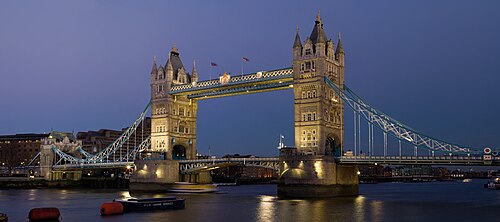
- London, 12 to 16 July on site at Bayes Business School, then two weeks online.
It applies alongside the Code of Conduct and the rules of each host university.
In an emergency
Call the emergency services first
Portugal, Italy and Switzerland: 112. United Kingdom: 999 or 112. These numbers are free, work from any phone and connect you to police, ambulance and fire services.
- When you are safe, tell an EIA staff member or call the EIA on-call contact for your city.
- If someone else is in danger and you cannot help safely, call the emergency number and stay on the line.
- In the UK, call NHS 111 for urgent medical advice that is not an emergency.
Before you travel
Insurance
Travel and health insurance is not included in tuition. Make sure your policy covers medical treatment, emergency return home and your whole stay, including any days you add before or after the course. EU citizens should also carry the European Health Insurance Card for public healthcare in Portugal and Italy.
Entry documents
- Check the entry rules for your passport. The UK asks most visitors for an Electronic Travel Authorisation (ETA), and EIA confirms the latest EU entry rules for each cohort.
- If you need a visa, ask EIA for an invitation letter and apply at least three months before you travel.
- Keep digital copies of your passport, insurance and travel bookings somewhere you can reach from any phone.
Health, accessibility and emergency contacts
- Tell EIA early about any disability, health condition, allergy or other need that could affect your participation, so support can be agreed before you arrive. You decide how much to share.
- Give EIA the name and number of a person to contact in an emergency.
- Bring enough of any regular medication for the whole stay, with a copy of the prescription.
University cohorts
Faculty and risk offices that send a cohort receive a written travel and support file before the agreement is signed. It covers:
- accommodation: where students stay and who checks the rooms;
- emergency response: a plan for each city, with contacts on call day and night;
- insurance: who buys cover, what it includes and what EIA carries;
- accessibility: support for disabilities or health needs, agreed early;
- visas: invitation letters for students who need them;
- named contacts: a coordinator at the university and at EIA, plus one in each city.
The home university keeps its own duty of care for its students. EIA works with the faculty lead on both.
During the on-site weeks
- EIA staff are present at the venue throughout the program day. Each city has an emergency plan and EIA contacts on call day and night.
- You receive the on-call contacts for your city, and the venue's safety information, before the on-site week starts.
- Follow the instructions of EIA and venue staff, including fire and evacuation procedures, and know the nearest exit.
Health and wellbeing
Program days run 8 to 10 hours, and building a company in three weeks is intense.
- Sleep, eat properly and take breaks. Nobody does their best work exhausted.
- July in Lisbon and Rome is hot. Drink water, use sun protection and take heat warnings seriously.
- If you feel unwell, stressed or overwhelmed, talk to an EIA staff member. It stays between you and the people who need to help.
- Look out for your teammates. If someone seems unwell, say something.
Getting around the city
- Keep your phone, wallet and passport secure, especially on public transport and in crowded tourist areas.
- Use licensed taxis or ride-hailing apps, particularly late at night.
- Travel back from evening events with others, and let someone know where you are going.
- Know the address of your accommodation and of the venue, and keep your phone charged.
Social events
- Follow local law on alcohol. Illegal drugs are not tolerated at any EIA activity.
- Never leave a drink unattended, and do not let anyone leave alone if they are not well.
- Respect other people's boundaries. The Code of Conduct applies at every event.
Online weeks
- The Code of Conduct applies in online sessions, chats and shared workspaces just as it does in the hall.
- Share personal data only as the program needs, and never share other participants' details or recordings outside the program.
- Report harassment or anything that makes you uncomfortable to EIA staff or info@inacademy.eu.
Reporting incidents
Report any accident, injury, theft, safety hazard, harassment or other incident to EIA staff as soon as you can, or write to info@inacademy.eu.
- EIA records the incident, makes sure the people affected get help, and follows up.
- Information about an incident is shared only with the people who need it to help, and with the authorities where the law requires it.
- For university cohorts, EIA informs the faculty lead as agreed in the travel and support file.
Your information
Health, accessibility and emergency contact details are used only to keep you safe and support you during the program. How EIA processes personal data is set out in the Privacy Policy.
Updates
We review this protocol before each cohort, with each city's emergency plan. The date at the top shows the latest version. Questions go to info@inacademy.eu.